< Home / Featured Reads
Featured Reads
Sunday school teacher | Vida Mgase
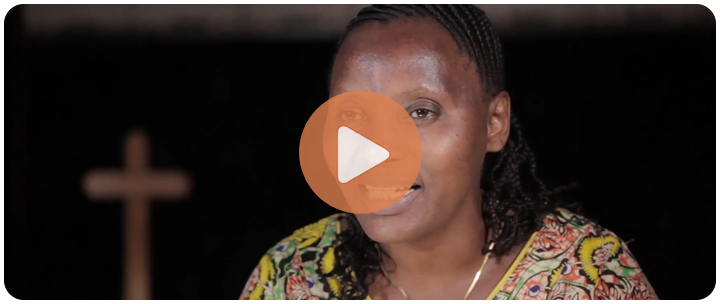
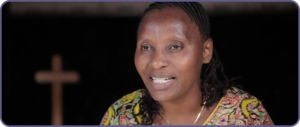
In the Olorien area of Arusha, Tanzania, Vida Mgase stands in front of a room full of children. She is a Sunday school teacher in the local congregation. Born on the slopes of Mount Kilimanjaro and now living in Arusha, she has spent years teaching children through traditional storytelling, using only her voice.
But something changed when the children were introduced to The Legacy of Adam.
Through these teachings, Vida noticed a transformation. The children began to see themselves differently. “They now see themselves as valuable,” she explains. “They see themselves as blessed. We are very blessed and highly valued, and because of that, we are happy.”
For Vida, the first screening was unforgettable. Expectations were high. The church had announced the event in advance, and on that day the building was completely full. Several children even came without bringing their writing materials.
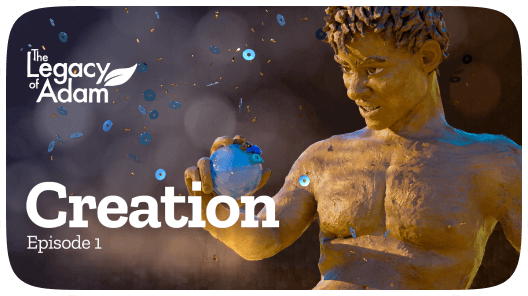
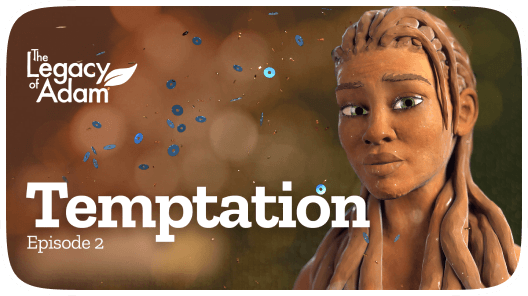
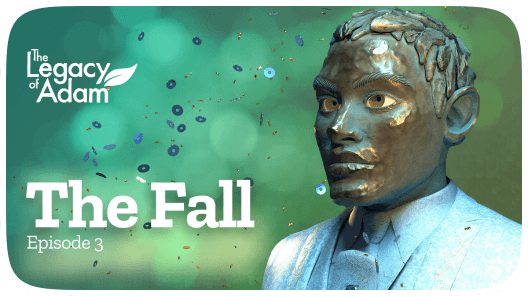
Normally, the children are used to hearing Bible stories told aloud. The teacher speaks, and they listen. But this time, they saw the stories unfold in front of them, through drama, images, and action.
“They saw how God acted,” Vida says. “They saw the events with their own eyes. And because of that, much of it remained in their hearts, in their minds, and even in their actions.”
What surprised her most was their courage afterward. When interviewed, the children answered confidently from the Bible, as if the words had become part of them.
“If we had taught them for a whole year only by speaking,” she reflects, “and then asked them the same questions, they would not have answered like this.”
According to Vida, seeing and hearing the message through drama created a deeper understanding. It gave the children confidence.
She teaches them that even though God loves them, life will not be free from hardship. Adam made a mistake in the garden and was corrected by God, yet he was still embraced in love. “Our God is love,” she says. “When we repent and return to Him, He still receives us, because we belong to Him.”
The stories of David and Isaac in the series had a particularly strong impact. Many children said they had underestimated themselves.
“At home I am looked down on,” some confessed. “At school I am looked down on, maybe because of my clothes or because of poverty in my family.”
David was the smallest one, still God had chosen him for great things. “Perhaps I too can do great things one day,” they reflected.
Vida now encourages them not to accept being looked down upon. Even if others see them as small or unimportant, they should never see themselves that way.
“To be completely honest,” she says with a smile, “these children are very, very good.”

Through these teachings, Vida noticed a transformation. The children began to see themselves differently. “They now see themselves as valuable,” she explains. “They see themselves as blessed. We are very blessed and highly valued, and because of that, we are happy.”
For Vida, the first screening was unforgettable. Expectations were high. The church had announced the event in advance, and on that day the building was completely full. Several children even came without bringing their writing materials.
Normally, the children are used to hearing Bible stories told aloud. The teacher speaks, and they listen. But this time, they saw the stories unfold in front of them, through drama, images, and action.
“They saw how God acted,” Vida says. “They saw the events with their own eyes. And because of that, much of it remained in their hearts, in their minds, and even in their actions.”
What surprised her most was their courage afterward. When interviewed, the children answered confidently from the Bible, as if the words had become part of them.
“If we had taught them for a whole year only by speaking,” she reflects, “and then asked them the same questions, they would not have answered like this.”
According to Vida, seeing and hearing the message through drama created a deeper understanding. It gave the children confidence.
She teaches them that even though God loves them, life will not be free from hardship. Adam made a mistake in the garden and was corrected by God, yet he was still embraced in love. “Our God is love,” she says. “When we repent and return to Him, He still receives us, because we belong to Him.”
The stories of David and Isaac in the series had a particularly strong impact. Many children said they had underestimated themselves.
“At home I am looked down on,” some confessed. “At school I am looked down on, maybe because of my clothes or because of poverty in my family.”
David was the smallest one, still God had chosen him for great things. “Perhaps I too can do great things one day,” they reflected.
Vida now encourages them not to accept being looked down upon. Even if others see them as small or unimportant, they should never see themselves that way.
“To be completely honest,” she says with a smile, “these children are very, very good.”